
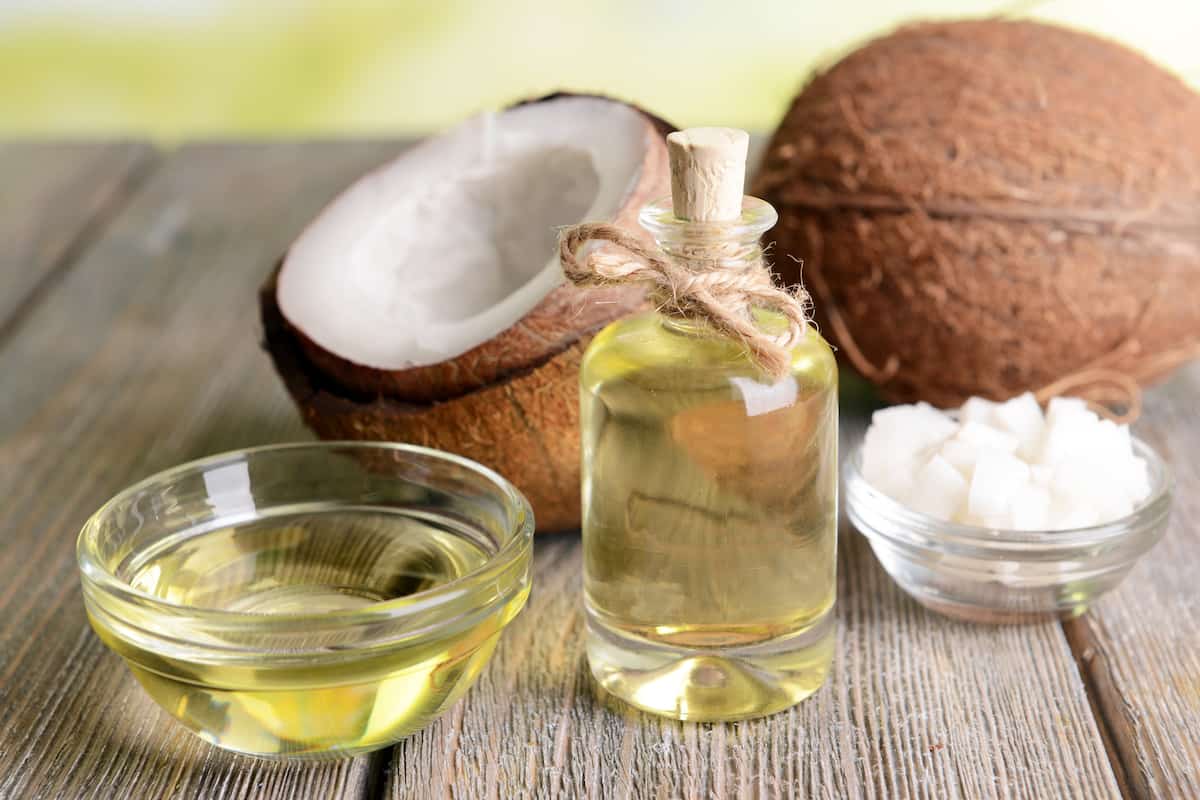
Using Coconut Oil After Waxing – Complete Guide
Waxing, as effective as it is at removing hair, can be painful and can irritate the skin. To combat this, it is essential to care for your skin after waxing.
This goes a long way to ensuring your skin stays healthy, smooth, and irritation-free.
With so many products for post-wax care on the market, how could you possibly know which would be the best one to use?
Can you use coconut oil after waxing?
Organic virgin coconut oil is a natural antibacterial moisturiser that provides your skin with all the nourishment, care, and protection it needs after waxing.
The most significant aspect of it all is that it is a natural substance with numerous other uses, both at home and for beauty purposes.
The Benefits of Coconut Oil After Waxing

Most homes have a tub of coconut oil stored in the pantry, which can be used for various purposes, including baking and cooking, as well as for health and skin care.
The beauty benefits of coconut oil are substantial, making this basic, natural product quite powerful when incorporated into your beauty routine.
Face – Coconut oil is a key ingredient in many facial products, due to its antibacterial and antifungal properties.
It is composed of nourishing fatty acids and is high in lauric acids. Coconut oil also contains vitamin E and other healthy fats, which work to make the skin smooth and youthful-looking.
A powerful moisturizer, coconut oil can keep the skin hydrated for up to 24 hours.
Rich in vitamin E and vitamin A, coconut oil helps slow down the aging process by protecting the skin from free radicals and sun damage.
Body – Coconut oil is also an excellent moisturizer for the body, particularly after shaving or waxing.
It has antioxidant properties that help treat various skin conditions, including dermatitis, psoriasis, and eczema.
It helps reskin’s the skin’s natural pH levels, promoting smooth and silky skin. Many body butters, lotions, creams, and post-wax products have a coconut oil base, which nourishes and protects the skin.
Hair – Yes, coconut oil can also be used for the hair. It helps to salvage moisture for dry hair.
It can penetrate inside the hair shaft more than other oils, as it has a fatty acid structure and a low molecular weight.
Using coconut oil regularly for the hair nourishes, strengthens, and protects it, reducing protein loss and damage caused by coloring and styling.
Soaking – You can add coconut oil to your bath to moisturize your entire body.
After the bath, your skin will be left revitalized, supple, and soft, reaping all the benefits that coconut oil has to offer.
Pre- and Post-Wax Care With Coconut Oil

The coconut oil aspect of waxing only comes into play at the end, but it is essential to follow all the steps of waxing properly to ensure you are providing the coconut oil with the right canvas to work its magic on.
There are numerous benefits of coconut oil, with these just being a few of the wonderful things that coconut oil does to support your skin and health.
Here are some tips to follow before waxing, as well as some aftercare tips that involve using coconut oil.
Before Waxing
- Stop shaving at least two weeks before waxing, but stopping even sooner is better. Two weeks of hair growth is the minimum length your hair should be to be waxed effectively, around ¼ inch to ⅓ inch long.
- Avoid trimming your hair with an electric razor. If you feel that you absolutely must, then use a razor guard that leaves you with ½-inch of hair growth. It is fine to trim your hair with an electric razor or scissors, as long as enough hair growth is left to wax.
- It is essential to exfoliate with a body scrub or an exfoliating washcloth a few days before waxing. Use a circular motion to remove dead skin cells and debris that are blocking the follicles.
- You should moisturize your skin leading up to the waxing appointment, and using coconut oil is a great option. Moisturizing the skin before the wax treatment helps prevent breakouts and keeps the skin protected from drying out after waxing. Moisturizing beforehand also prevents ingrown hairs by keeping the follicles from becoming too dry, allowing the hair to grow out properly.
- Maintain a good water intake (constantly), but especially during the 48 hours before and after your wax treatment. Your skin needs to be well-hydrated, as wax tends to stick to drier skin more than to hydrated skin. Therefore, not drinking enough water can lead to the waxing being more painful.
- If you have a low pain threshold or sensitive skin, it might be a good idea to take ibuprofen or other pain management before the waxing session. It will help alleviate some of the pain and also reduce inflammation, thereby shortening recovery time.
- Shower on the day of your waxing; anytime is fine, as it doesn’t necessarily have to be right before your appointment. This helps remove bacteria from your skin, which can cause breakouts, including folliculitis, after waxing.
- Get a wax if you have a burn; it’s just a no-can-do and will damage your skin, making it painful.
After Waxing
- Use coconut oil to moisturize your skin after a wax. Coconut oil helps calm the skin and accelerate the healing process. Continue to apply coconut oil to your skin daily after waxing.
- Avoid situations that may expose your skin to bacteria, such as hot tubs, tight clothing, or prolonged bathing. Your hair follicles will be open after waxing, and you need to allow them to heal while clean to avoid infection or irritation.
- You should exfoliate your skin a few days after waxing using an exfoliating washcloth or gentle body scrub. This will help unblock your hair follicles from dead skin cells or debris, which can lead to ingrown hairs. It is essential to continue exfoliating your skin, even after your hair starts growing back.
- Moisturize your skin regularly with coconut oil after your waxing treatment. It will prevent breakouts and ingrown hairs, and keep your skin silky smooth and hydrated.
Following these essential steps will be key to maintaining healthy skin and preventing irritation and ingrown hairs, which can be a real pain to deal with.
The Best Coconut Oil For Waxing
There are some genuinely excellent coconut oils available on the market, as well as that aren’t so great.
The best option is to opt for the most natural products possible, ensuring there are no hidden ingredients that could irritate the skin.
Coconut oil is suited for sensitive skin, making it a great all-around product.
However, choosing the right coconut oil ensures that you are giving your skin the best care and protection possible, and that you are purchasing a coconut oil that can be used for various purposes.
1. Coco & Co Raw Organic Extra Virgin Coconut Oil
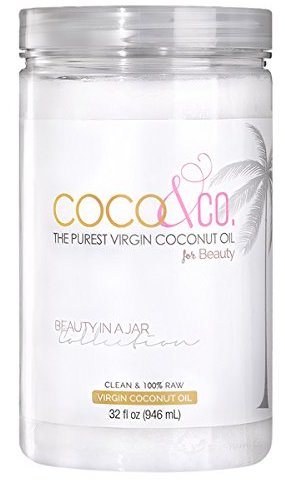
Completely raw and organic, this coconut oil from Coco & Co. is as safe as you will get. It is one of the few high-grade coconut oils suitable for health and beauty, without any harsh additives.
The texture is non-greasy and ultra-fine, with a silky feel that enables rapid absorption. The oil has no foul odor or taste and is fragrance and taste-free.
There is also no discoloration of the pure coconut oil, which has 100% purity.
This pure coconut oil contains high amounts of protein and vitamin E, which naturally protect and nourish the skin and hair.
The fatty acids in coconut oil help shrink the appearance of fine lines and pores, while smoothing out the skin and restoring and rehydrating its moisture.
This is one of the purest and most versatile coconut oils to use, fulfilling many of your beauty and health needs.
2. All Good Organic Coconut Oil Skin Food
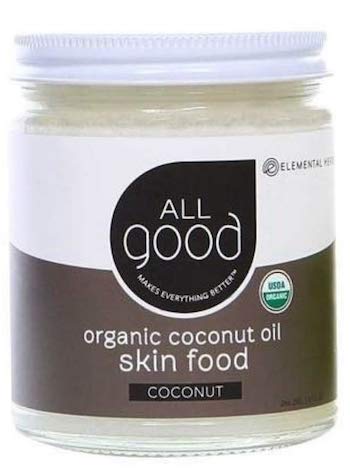
Offering deep moisture through the indulgence of pure coconut oil, the All Organic Skin Food will leave skin moisturized and glowing.
The coconut oil is 100% USDA certified and made with organic, cold-pressed, unrefined, and virgin coconuts.
It is free from any harmful chemicals and rich in beneficial oils that are essential in coconut oil. It is GMO-free, vegan, gluten-free, and biodegradable.
There are other coconut oils in the range that include pure essential oils such as lemongrass or lavender, which add a more luxurious experience when using the coconut oil to nourish the skin.
3. JE Coco & Co Organic Coconut Oil
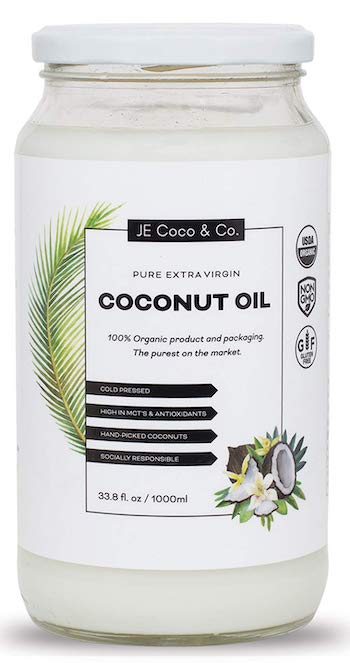
This extra-virgin coconut oil is certified 100% organic and is as pure as it comes. It contains no artificial colors, flavors, or preservatives.
The coconut oil is cold-pressed, obtained from organic coconut kernels, where the oil from the coconut meat is pressed at temperatures not exceeding 120 degrees Fahrenheit, preserving all the essential natural nutrients.
Virgin coconut oil has everything you need for the best skincare, both before and after waxing, and can be used in various situations as well.
4. Viva Naturals Organic Extra Virgin Coconut Oil
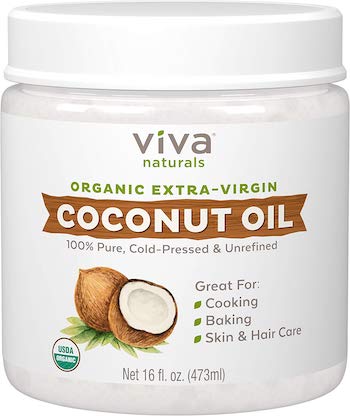
Made from fresh, organic coconuts and cold-pressed to preserve their natural nutrients, this natural coconut oil will leave your skin hydrated, nourished, and protected.
It is a nutrient-rich skincare treatment that acts as a luscious lotion for nutrient-rich hydration, with no greasy or sticky feel that non-natural coconut oils leave behind.
To make the product even more desirable, the coconut oil is made from sustainably harvested coconut. It contains no harmful chemicals, pesticides, or other additives that might irritate or harm sensitive skin.
It is as pure as coconut oil comes, and will be a great additive to skincare after waxing.
5. Viva Naturals Organic Fractionated Coconut Oil
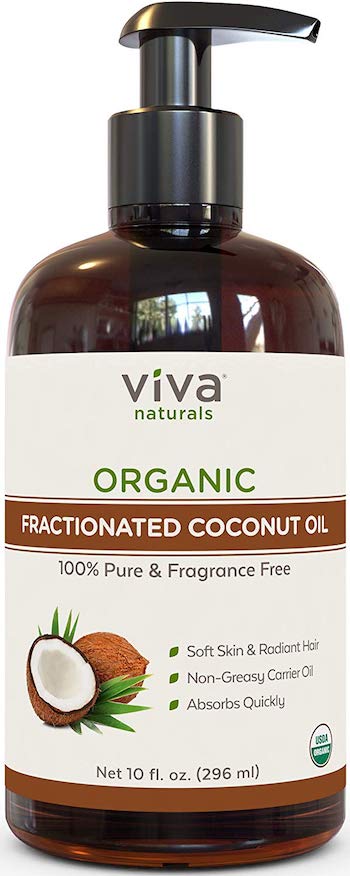
This is the ultimate coconut oil for skincare—it is versatile, ready to be used for your skin, your hair, as a massage oil, or as a carrier oil.
It is colorless, mild, and completely natural. You can use it plain, or you can add a couple of drops of your essential oil to enhance it slightly.
It is certified 100% USDA organic and is free from pesticides, fragrances, additives, and preservatives. It is pure coconut magic.
The delivery of the coconut oil makes it a pleasure to use, featuring a no-drip pump that can be used daily with ease and no mess.
With all the antioxidants, caprylic acid, and essential fatty acids you could want, this pump-action coconut oil is an absolute treat to use.
6 Useful Ways To Use Coconut Oil For Skincare
Here are some super helpful ways to make the most of your coconut oil at home, using it time and time again for superb skincare that brings extra nourishment, protection, and moisture to even the driest and most sensitive skin.
After waxing or shaving – As mentioned earlier, coconut oil is ideal for post-wax care.
It contains three saturated fatty acids – lauric acid, capric acid, and caprylic acid, all of which have strong disinfectant and antimicrobial properties, which work to prevent rashes, inflammation, irritation, and ingrown hairs after waxing.
It also brings a healthy dose of hydration to the skin, enabling it to recover after waxing.
As a moisturizer, being composed mainly of saturated fats, coconut oil works well to retain the moisture concentration in the body, leaving the skin smooth and healthy.
The natural fatty acids moisturize the body and face, making them ideal for use on dry skin, as they relieve irritation without leaving a greasy feel after application.
Lips – Coconut oil does well to relieve and prevent dry and cracked lips. Applied to the lips several times a day, coconut oil can help to keep them moist and supple.
Makeup Remover – Ditch the expensive makeup removal products and opt for coconut oil instead.
It leaves no sticky residue behind and can be used by applying a small amount of coconut oil to a cotton pad, then wiping it over the makeup on the face, before being removed with warm water.
As it is a non-irritant, it can be used to remove makeup in the eye area without the risk of redness or irritation.
The Do’s and Don’ts Of Waxing Skin Care

To achieve smooth skin after waxing, you will need to protect and nourish your skin for all the days after hair removal.
If you do not, you risk bumps, rashes, and infections, which could not only be painful but can ruin the look of your newly waxed legs completely.
The do’s and don’ts below point out what you should do, and what you should not do, to make the most out of your freshly waxed legs.
- Do remove excess wax – Remove all excess wax from your skin using coconut oil, making sure even the sticky residue is removed. Leaving any residual wax on the skin can hinder proper healing and prevent the coconut oil from penetrating deeply into the skin for optimal moisture.
- Use a cold compress – A cold compress can further soothe and calm the skin after a waxing session, reducing pain and inflammation. It also helps to kick-start the healing process and prevents any further irritation that might be caused by waxing.
- Do use a moisturizer – Once again, coconut oil is your best bet for the ultimate moisturization and hydration. Coconut oil helps restore moisture to the skin after an intense waxing session, which can dry it out.
- Moisturize for the days following a wax – You should not only apply coconut oil after the wax, but also continue to do so for the days and weeks following. The coconut oil will continue to help fight off bacteria and inflammation, and it also helps to soothe the skin if any irritation occurs in the days following.
- Do not expose your skin to sunlight – After your waxing session, your skin will be very sensitive. You should try to avoid sunlight for at least 48 hours after waxing to protect the area from any further damage that could be caused by the sun.
- Do not use harsh soap – Many household soaps contain harmful ingredients that can irritate freshly waxed skin. Avoid using regular soaps and opt for natural soaps formulated with butters, creams, and even coconut oil, which will be gentle on the skin and reduce the risk of harming your sensitive skin.
- Do not use deodorant – If you try to apply deodorant to freshly waxed skin, you will likely find it incredibly painful. It can also cause damage to the skin and lead to irritation.
Related Questions
Can I use coconut oil before waxing?
Coconut oil is an excellent choice for use before waxing or as a post-waxing moisturizer, leading up to your next appointment.
It helps the skin remain hydrated and moisturized, which in turn reduces the pain felt during waxing.
Dry skin adheres to waxing more than hydrated skin, which causes significantly more discomfort when the wax strip is pulled off the skin.
It also helps to calm irritation and soothe any bumps and ingrown hairs, while providing natural moisture that is free from harmful chemicals and other irritating ingredients.
Can coconut oil help with wax bumps?
You should use coconut oil if you are experiencing wax bumps, which are small red bumps on the skin that appear a few days after waxing.
This is often caused by bacteria entering the hair follicles, which causes irritation and inflammation.
Coconut oil has excellent antibacterial properties, which can soothe irritated skin and help protect against and fight red bumps when they appear.
Can I use coconut oil in sensitive areas?
As long as you are not prone to acne or breakouts, coconut oil is fine to use on sensitive skin.
It contains no harmful additives, if you are buying virgin coconut oil, and will not have any adverse effects on the skin.
If you are prone to acne and breakouts, it is best to avoid using coconut oil on your face, as it can clog your pores, potentially increasing the risk of breakouts.
Does coconut oil remove wax?
What makes coconut oil great as a post-wax care product is that it helps remove any residual wax, while also hydrating and nourishing the skin.
If there is wax residue left on the skin, gently smooth some coconut oil over the area and wipe it off with a warm, damp cloth.
This should help remove the wax and sticky residue that is often left behind with waxing.
Should I use baby powder when waxing?
Baby powder is good to use if your skin is slightly moist or damp before waxing.
Applying baby powder to the area prevents the wax from sticking to the skin, allowing it to adhere only to the hair, which helps make the waxing process slightly less painful.
It also increases the effectiveness of the waxing session, and hopefully, all of the hair will be removed in one go.
Coconut Oil After Waxing
Coconut oil is one of the magical natural products that can do just about anything and can be used almost anywhere.
You should have no trouble finding coconut oil. If you can’t, there are many ways to purchase virgin coconut oil online.
With its anti-inflammatory and antibacterial properties, coconut oil helps protect and soothe the skin after waxing, promoting the healing process and allowing the skin to feel normal sooner.
Containing saturated fatty acids, coconut oil will also provide your skin with the ultimate hydration and nourishment it needs to look and feel wonderfully healthy, allowing you to enjoy silky smooth legs.
Related Articles
The 5 Best Oils To Use After Waxing


