

Permanent Self-Tanner – Does It Exist?
No, a permanent self-tanner does not exist. Most DHA-based self-tans fade over several days, often around a week, because the colored surface skin cells naturally shed. You can maintain the look with top-ups, but one application cannot keep your skin bronzed forever.
A lasting summer glow without sun exposure or frequent full-body applications would be convenient. The closest practical option is a gradual tanning routine, rather than a permanent change to your skin color.
So what do “long-lasting” and “gradual” mean on a self-tanner’s label?
Long-lasting still means temporary. Gradual tanners add a little color with repeated use, while a regular mousse or lotion usually gives a more noticeable result from one application.
Think in terms of days, not weeks of unchanged color. Some formulas may stay visible longer than others, but washing, rubbing, and your skin’s natural shedding all affect how evenly they fade.
Even a tan from the sun or a tanning bed fades over time. Extending it with more UV exposure adds skin damage rather than making the color permanent.
Be cautious with products promising a permanent tan, including tanning pills. The FDA notes that tanning pills are not approved for this purpose and can carry health risks.
To keep a sunless glow, reapply according to your product’s directions and how the color is fading. A gradual lotion may fit into your routine every few days; a spray tan needs repeat appointments. Check how long a spray tan lasts before planning your next visit.

Why Self-Tanning Isn’t Permanent
Most self-tanners use dihydroxyacetone (DHA) to create their developed color.
DHA is a sugar compound used as a cosmetic color additive. The FDA’s sunless tanning guidance explains that it reacts with amino acids at the skin’s surface.
That reaction colors the outermost layer of dead skin cells. It does not work like UV tanning, which triggers melanin production, and it does not permanently change your natural skin tone.
If your tanner has an instant brown guide color, that tint is separate from the developed DHA color. Some tint washes away in the first shower; follow the label’s rinse time rather than assuming the product has failed.
As the colored surface cells shed, the self-tan fades with them. Scrubbing cannot make the color sink deeper, and applying extra layers cannot stop this natural process.
A week is a useful planning estimate, not a guaranteed wear time. For example, St. Tropez describes its Express mousse as typically lasting five to seven days with proper aftercare.
You may notice uneven fading before all the color disappears. Hands often need attention first because they are washed frequently, while friction from clothing can leave lighter areas elsewhere.
A longer-wearing formula can mean fewer full applications, but “up to” claims are not promises that the shade will stay unchanged throughout that period.
For options to compare, see our guide to The Longest Lasting Self-Tanners. Choose for an even fade and a texture you enjoy, as well as the advertised duration.
FDA permission for DHA has limits: it is approved as a color additive for external application, not for inhalation or use around the eyes, on lips, or on mucous membranes. This does not amount to FDA approval of every finished self-tanning product.
Other temporary ways to look bronzed include wash-off body makeup and tinted lotions. These can suit a single event, but they wash away rather than creating a permanent tan.
Sun and tanning-bed tans also fade, but their UV-related damage can outlast the color. Deliberately tanning outdoors is not a safe workaround for self-tanner maintenance.
A DHA spray tan colors the same surface layer as an at-home tanner, so it fades too. Ask the salon how it protects your eyes and lips and prevents inhalation before choosing a spray service.
The Reason You Should Choose Self-Tanning
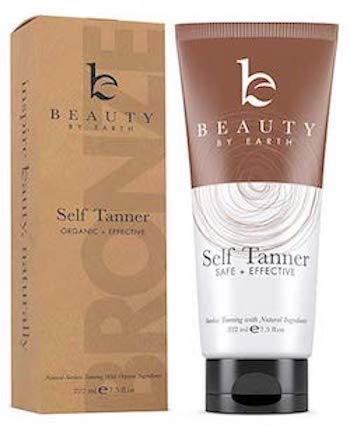
A self-tan lets you get a bronzed appearance without deliberately exposing your skin to UV. Its temporary nature is a trade-off, but you can refresh it without sunbathing or using a tanning bed.
The American Academy of Dermatology recommends considering self-tanner if you want to look tan, while continuing to use sunscreen.
One option featured on this site is Beauty by Earth. Self Tanner. A lotion format may appeal if you prefer spreading product by hand or mitt rather than spraying it. Check the current ingredients, directions, and shade before choosing it for your skin.
“Natural” and “organic” wording does not tell you how long a tan will last or whether the formula will suit sensitive skin. Look at the full ingredient list, especially if fragrance or particular ingredients bother you.
Some tanning lotions include moisturizing ingredients, which can make application more comfortable on dry skin. That is useful, but it does not make the resulting color permanent.
Self-tanner avoids the UV exposure involved in sun tanning. That advantage should not be confused with a claim that every formula is risk-free for every person.
A tan from the sun can disappear while the effects of repeated UV exposure remain. It is better to separate your cosmetic glow from your sun-protection routine.
UV exposure can damage skin-cell DNA and increase the risk of premature skin aging and skin cancer. A visible tan is a sign of skin injury, rather than a sign that your skin is now protected.
Choose a self-tanner labeled for the area you want to use it on, and follow its directions. A lotion or mousse makes it easier to avoid breathing in product than an aerosol or spray booth.
Possible problems include irritation or an allergic reaction to the formula. Avoid applying it to broken, sunburned, or already irritated skin.
Try a small area first, following the product’s patch-test instructions and waiting the recommended time before a wider application. This also lets you preview the developed shade.
A patch test cannot guarantee you will never react. Stop using the product if you develop itching, a rash, or persistent irritation, even if the initial test seemed fine.
Another practical benefit is shade control: you can select a light, medium, or deeper formula without spending longer in the sun.
A gradual self-tanner can suit someone who wants a subtle glow and small top-ups. Follow its schedule, then reduce application frequency once the shade is where you want it.
You do not need sunny weather, but you do need enough time for the product to dry and develop. Avoid rushing an unfamiliar formula just before getting dressed for an event.
Have the product, a clean applicator mitt if you use one, and loose clothing ready. Keep a way to wash your hands nearby, especially after blending around fingers and wrists.
How To Make Your Self-Tan Last Longer
You cannot make a self-tan permanent, but you can help it apply and fade more evenly. Good preparation and gentle aftercare usually matter more than adding another heavy layer.
The aim is smooth, comfortable skin and an even application. If you have persistent dry or irritated patches, let those settle before tanning rather than trying to hide them with extra product.
Preparation of Your Skin
Prepare gently. The AAD’s exfoliation guidance cautions against over-exfoliating and recommends avoiding exfoliation on sunburned skin or open wounds.
In the days before: Moisturize regularly if your skin is dry. Gently exfoliate rough areas or patchy old color before tanning, rather than repeatedly scrubbing your whole body.
Pay attention to elbows, knees, ankles, and hands, where dry texture can make color look darker or uneven. Let moisturizer absorb, and follow your tanner’s advice about lotion immediately before application.
Hair removal: If you plan to Wax or shave, do it ahead of time and allow any redness or irritation to settle. Follow the tanner’s recommended interval; do not apply it straight over freshly irritated skin.
Test in advance: Leave enough time for the label’s patch test and for the color to develop. A last-minute test will not show you the final shade before a full application.
Just before: Start with clean, dry skin. Remove residue from body products as directed by your tanner, and avoid applying while you are hot or sweating.
Cold water does not close pores, so there is no need for an ice-cold rinse to stop tanner “seeping in.” If your face is prone to breakouts, choose a facial formula and introduce it cautiously.
Blend sparingly near the hairline and eyebrows, following the product’s facial-use directions. Do not apply DHA around the eyes or onto the lips.
The Application

Work in manageable sections and check the areas that are easy to miss, such as the backs of arms and the sides of ankles. The AAD’s self-tanner application guide offers practical blending tips.
The tools: A mitt helps distribute lotion or mousse and reduces palm staining. Use one if the label recommends it, then wash your hands after application even if you wore a mitt.
Application: Apply an even layer, working from the legs upward if that makes it easier to avoid bending over wet product. Use less around dry joints, and blend carefully at wrists and ankles.
The product: A gradual lotion suits subtle color and frequent maintenance; a regular mousse or lotion suits a more noticeable one-off application. Let it dry before dressing, and follow its specific rinse and development times.
Making The Tan Last
Moisturize: Once your tanner has developed and you have rinsed if required, use a moisturizer your skin tolerates. Daily moisturizing can help keep dry patches from making the fade look uneven.
Moisturizer cannot stop natural skin shedding. Gentle showers, patting dry rather than rubbing hard, and avoiding heavy scrubbing can help preserve the appearance of the color.
Maintenance: Use a gradual tanner for light top-ups. Only mix a tanning product with moisturizer if its instructions specifically allow it, such as drops designed for mixing. Diluting a regular mousse or lotion can make the result unpredictable. Keep sunscreen as a separate layer; TAN-LUXE advises against mixing its drops with SPF because this can reduce sunscreen effectiveness.
Protection: Wear broad-spectrum SPF 30 or higher outdoors and reapply as directed. Choose water-resistant sunscreen for swimming or sweating; no sunscreen is waterproof. Our waterproof self-tanner guide covers a separate question: how self-tan holds up around water, not whether it protects against UV.
Related Questions
How long will a self-tan last?
Most self-tans last several days, often around a week. Some formulas remain visible longer, but expect fading rather than a full-strength shade for the entire advertised period.
A darker shade may stay noticeable longer, but it is not automatically longer-wearing. Formula, washing, rubbing, and skin condition affect the result too.
Your face and hands may need more frequent touch-ups than your body. Judge the fade in daylight, and avoid applying more product to areas that are already much darker than the surrounding skin.
Can I apply self-tan over an existing self-tan?
You can top up an even, lightly fading tan, particularly with a gradual formula. If the old color is patchy or built up around joints, adding another coat can make those differences more obvious.
For patchy color, allow it to fade and gently exfoliate before starting again. Do not scrub irritated skin or keep layering over dark spots in an effort to even them out.
Can you tan through a self-tan?
Yes, UV can still reach your skin through a self-tan. The developed cosmetic color is not a reliable sun barrier. Only a product specifically labeled with SPF offers sunscreen protection, and it must be used as directed.
You can still burn or develop a UV tan while wearing self-tanner. That does not make sunbathing safer, and there is no reason to expect a particularly even result.
Use a separate broad-spectrum sunscreen if your tanner does not have suitable labeled protection. Combine it with shade and protective clothing rather than relying on the depth of your faux tan.
Reapply sunscreen at least every two hours outdoors and after swimming, sweating, or towel drying, according to its label. Keeping a self-tan looking good is secondary to protecting your skin.
Permanent Self-Tanner – A Myth
Permanent self-tanner is a myth. DHA color fades as surface skin cells shed, and longer-wearing formulas still need maintenance.
For the least fuss, choose a shade and format you can maintain comfortably. A subtle gradual lotion may be easier to top up than a deep tan that shows every missed patch.
If the color becomes uneven, take a break and let it fade before your next full application. More layers are not always the answer.
Keep your tanning and sun-protection routines separate: a cosmetic glow does not replace sunscreen.
You can enjoy a bronzed look without chasing a permanent result. Apply carefully, refresh when needed, and keep expectations focused on an even, temporary finish.
Related Articles
Bondi Sans Salon Quality Self-Tanning Foam Review
You might also be interested in our guide on Does Self Tanner Expire?.


