

The 5 Best Self-Tanners For Dry Skin
A self-tan can give you a bronzed look without spending hours in the sun, which makes it a useful option when you want color without intentionally adding more UV exposure.
UV tanning is rough on your skin, and it is especially unforgiving if you burn easily instead of tanning evenly.
Self-tanning products avoid that UV exposure, but the wrong formula or poor skin prep can make dry patches look darker, rougher, or more uneven.
Dry skin needs a little more attention because rough areas can absorb self-tanner differently from smoother skin. The best formulas are easy to spread and include moisturizing or conditioning ingredients that make application more forgiving.
If your skin already feels tight, flaky, or irritated, self-tanner can make that uneven texture more noticeable. Some formulas may also feel drying on sensitive skin, so choosing the right texture and preparing properly matters. Learn more about possible self-tanner irritation and dryness.
What is the best self-tanner for dry skin?
For dry skin, St. Tropez Self Tan Bronzing Mousse is the best all-around pick on this list because its lightweight texture is easy to spread without tugging at dry areas. If your skin is very dry, moisturize consistently in the days before tanning and apply a small amount of lotion to extra-dry spots such as elbows, knees, ankles, and hands before the mousse.
If you have dry skin or have struggled with patchy self-tan before, look for formulas that spread easily and do not leave already-dry areas feeling tighter.
The formula matters, but preparation matters just as much. A good result comes from smooth, comfortably moisturized skin, careful blending, and using less product on areas that naturally run dry.
Top 5 Self-Tanners for Dry Skin
With so many self-tanning products available, including lotions, mousses, gels, gradual tanners, and formulas with guide color, it can be difficult to tell which option will behave best on dry skin.
The easiest way to narrow it down is to look at the texture, moisturizing ingredients, development method, and how much control the formula gives you around rough areas.
For this list, the products were compared using practical factors that matter most for dry skin, including:
- Price
- Quality
- Formula and ingredient profile
- Ease of application
- How forgiving it is on dry areas
Together, those details make it easier to choose a product that fits both your skin and your self-tanning routine.
Here are the five options worth comparing.
1. St. Tropez Self Tan Bronzing Mousse
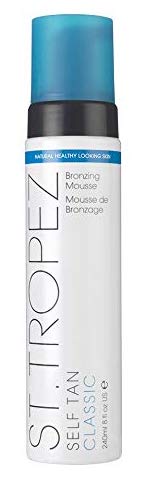
This is the best all-around option on the list if you want the quick application of a mousse without a heavy or greasy feel.
The mousse texture is lightweight and easy to spread, which is useful on dry skin because you can work in thin layers instead of piling product onto rough areas.
Its guide color makes it easier to see where you have already applied product, helping you catch missed spots before the tan develops.
For the most even result, follow the development time on the current product label rather than assuming that leaving it on longer will always make the tan better.
Before applying, make sure your skin is clean and dry.
Use less product on elbows, knees, ankles, and hands.
Rinse at the time recommended on the product label.
The formula uses DHA to develop the tan and includes added fragrance to soften the typical self-tanner smell. If fragrance tends to irritate your skin, patch test first.
The main advantage here is control: the mousse spreads quickly, the guide color helps with coverage, and the light texture is less cumbersome than a thick cream.
2. Skinerals Self Tanner Sunless Bronzer

Skinerals Californium Sunless Bronzer is another option to consider if you prefer a lotion-style feel rather than a very airy mousse.
Instead of focusing on whether ingredients are described as “mineral” or “natural,” look at how the complete formula feels on your skin and whether it includes enough conditioning ingredients for your level of dryness.
No self-tanner is automatically irritation-free. If your skin is reactive, check the ingredient list and patch test the product before a full-body application.
This formula includes moisturizing ingredients, which can make it easier to blend over dry skin and may reduce the chance of rough patches looking overly dark.
The developed tan can last several days, depending on your skin, showering habits, exfoliation, and how consistently you moisturize afterward.
For dry skin, its main appeal is the more conditioning feel. That matters more than marketing terms such as natural or organic when you are trying to avoid a patchy finish.
If you already follow a good moisturizing routine, a lotion-style self-tanner like this can be easier to work into your routine than a very fast-drying formula.
If this option interests you, compare the current ingredient list and application instructions with the other products here before deciding.
The key benefit is simple: it gives you a sunless tanning option without requiring intentional UV exposure.
You can check out my complete review of this product here.
3. Beauty By Earth – Organic Self Tanner
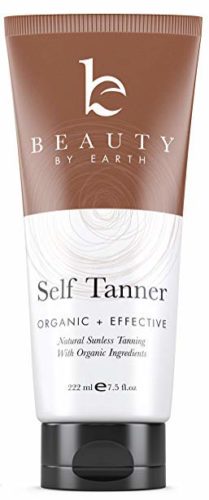
Beauty By Earth is a lotion-style option that makes sense for dry skin because it combines self-tanning ingredients with several oils and butters.
The formula is marketed as vegan and cruelty-free and includes moisturizing ingredients that can make a lotion more comfortable on dry skin than a very fast-drying tan.
No formula can guarantee zero irritation or perfectly even color, but the creamy texture gives you time to blend carefully over areas that tend to look patchy.
Beauty By Earth is best suited to someone who prefers a more gradual-looking lotion application rather than a quick-drying mousse.
Ingredients such as shea butter, coconut oil, and green tea give the formula a more emollient feel, which can be useful when your skin is naturally dry.
The final shade will vary with your starting skin tone, how much product you apply, and how evenly your skin is prepared, so start conservatively if you are new to the formula.
This is the better pick if you value a creamy, moisturizing texture over the speed of a mousse.
You can read my full review of this product here.
4. Miami Gorgeous Self-Tanning Mousse

Miami Gorgeous LaPlaya is a clear self-tanning mousse with oils such as argan and coconut, making it an interesting middle ground between a light foam and a more conditioning formula.
Its oils and other conditioning ingredients can help the formula feel less bare on dry skin, while the clear texture reduces the risk of guide-color transfer onto clothing or bedding.
Jojoba oil and elderflower extract add to the conditioning feel and give the formula a more noticeable scent profile.
Because it is clear, you need to apply it methodically since you cannot rely on a dark guide color to show missed spots. Careful blending is especially important around dry elbows, knees, ankles, and hands.
If you prefer a clear mousse, this is the most relevant option on the list. As always, check the current ingredient list if your skin is sensitive to fragrance or particular cosmetic ingredients.
5. L’Oreal Paris Sublime Bronze Tinted Self Tanning Lotion

This L'Oreal option is different from the mousses above because it behaves more like a gradual tanning lotion that can be built up over repeated applications.
That gradual format is useful for dry skin because it gives you more control over the color and makes it easier to stop before rough areas become noticeably darker than the rest of your body.
The formula includes Mango Butter, Vitamin E, and Sweet Almond Oil, ingredients commonly used to give lotions a softer, more conditioning feel.
With a gradual tanning lotion, the color typically becomes more noticeable after repeated applications rather than appearing all at once. Follow the current label directions for frequency and development time.
This is the best choice here if you want slow, buildable color and prefer a moisturizer-like texture over a traditional self-tanning mousse.
Once you have chosen a formula, the next step is making sure your dry skin is prepared properly so the tan develops as evenly as possible.
Why Fake Tan Can Cause Dry Skin Patches
Dry skin can be more noticeable at certain times of year. Cold weather, low humidity, and indoor heating can all contribute to dryness.
Putting self-tan over flaky or rough skin can lead to a patchy, uneven finish.
That is because DHA develops in the outermost skin cells. Thicker, drier areas can grab more color, which is why elbows, knees, ankles, knuckles, and other rough spots often turn darker than the surrounding skin.
Self-tanning products come in different textures and development styles, including creams, mousses, gradual lotions, gels, and wipes.
Those formats spread and dry differently, so the best one for you depends on how dry your skin is and how much time you want for blending.
Your skin can also behave differently through the year, so a formula that works well in humid weather may need more prep when your skin is drier.

Expect a little trial and error when finding the right texture and routine for your skin. The goal is not simply the darkest result, but the most even one.
Some self-tanning products can feel more drying than others, especially fast-drying formulas or products that contain a lot of alcohol or fragrance.
If dryness is your main concern, prioritize comfortable texture, moisturizing ingredients, and gentle preparation rather than assuming a product labeled natural will automatically be better.
Patch test a new product beforehand by applying a small amount to a discreet area and following the product's directions before using it over a larger area.
A home patch test cannot diagnose an allergy, but it may help you notice obvious irritation or an unexpected color result before a full application.
With the product choices covered, here is the prep routine that matters most when you are self-tanning dry skin.
Tips For Self-Tanning With Dry Skin
With dry skin, good prep should make the surface smoother without leaving it scrubbed, irritated, greasy, or damp right before application.
The most useful habits are timing hair removal and exfoliation ahead of time, moisturizing consistently, and using less tanner on the driest parts of the body.
Shave or wax 12-24 hours before
If you shave or wax, do it about 12 to 24 hours before self-tanning when possible. This gives the skin time to settle and reduces the chance of product collecting around freshly shaved follicles. (See my full shaving guide here)
Exfoliate gently ahead of time
Exfoliation can help remove loose, flaky surface skin, but dry skin does not need aggressive scrubbing. Exfoliate gently the day before if possible, then give your skin time to calm down.
Pay attention to rough areas such as elbows and knees, but do not scrub them raw. The aim is a smoother surface, not irritated skin. (See my full exfoliation guide here)
Moisturize strategically before applying self tanner
Moisturize regularly in the days leading up to your tan. Right before application, use only a small amount on especially dry areas such as elbows, knees, ankles, knuckles, and hands, unless your product specifically recommends full-body moisturizer first. Let it absorb so the skin is not oily or wet. (See my full moisturizing guide here)
Don’t apply too much to your face
Use a lighter hand on the face than you do on the body, especially around the hairline, eyebrows, and dry patches. A face-specific tanning product can also give you more control.
It is easier to build color gradually than to correct an overly dark application, so start with less product and add more later if needed.
Wash your hands after application
If you apply self-tanner with bare hands, wash them with soap and water immediately afterward. A tanning mitt is usually easier because it also helps spread the product more evenly.
Pay attention to the palms, between the fingers, and around the knuckles, where leftover product can develop much darker than intended.
Final Thoughts
For dry skin, the best self-tanner is not necessarily the one with the most “natural” claims. It is the one that spreads evenly, feels comfortable, and works with your moisturizing routine.
Look for a texture you can control, ingredients your skin tolerates, and enough slip to blend over rough areas without tugging.
Then protect the result by moisturizing regularly after the tan develops. Keeping dry skin comfortable also helps the color fade more evenly instead of breaking up in obvious patches.
If your skin becomes irritated, very itchy, or unusually dry, stop using the product and let your skin recover before trying another formula.
Related Articles
The 5 Best Tanning Lotions With SPF


