

Can Tanning Beds Lighten Your Hair?
If your hair looks lighter or your color seems to be fading after indoor tanning, UV exposure could be contributing. Tanning beds can affect hair pigment and the hair fiber, although the change is not predictable from a set number of sessions.
Can tanning beds lighten your hair?
Yes, tanning-bed UV can lighten natural hair pigment or fade dyed color over time. It can also leave hair feeling dry or rough. Results vary with the hair and exposure, so a tanning bed is not a reliable hair-lightening method. Hair coverings and conditioning products do not make indoor tanning safe for your skin.
The FDA warns that indoor tanning can cause skin burns, eye damage, premature skin aging, and skin cancer. Avoiding tanning beds protects more than your hair color.
Below, we explain why hair can lighten under UV, which hair changes to watch for, and the limits of caps, conditioners, and heat-protecting products.
Does Tanning In A Tanning Bed Lighten Your Hair?
Like sunlight, tanning-bed lamps emit UV radiation. UV exposure can break down hair pigment and affect proteins in the hair shaft, as described in research on UV-related hair color changes and protein damage.
Skin and hair respond differently. Skin can develop a darker pigment response after UV exposure, while hair that has already grown cannot produce new pigment to replace what is damaged.
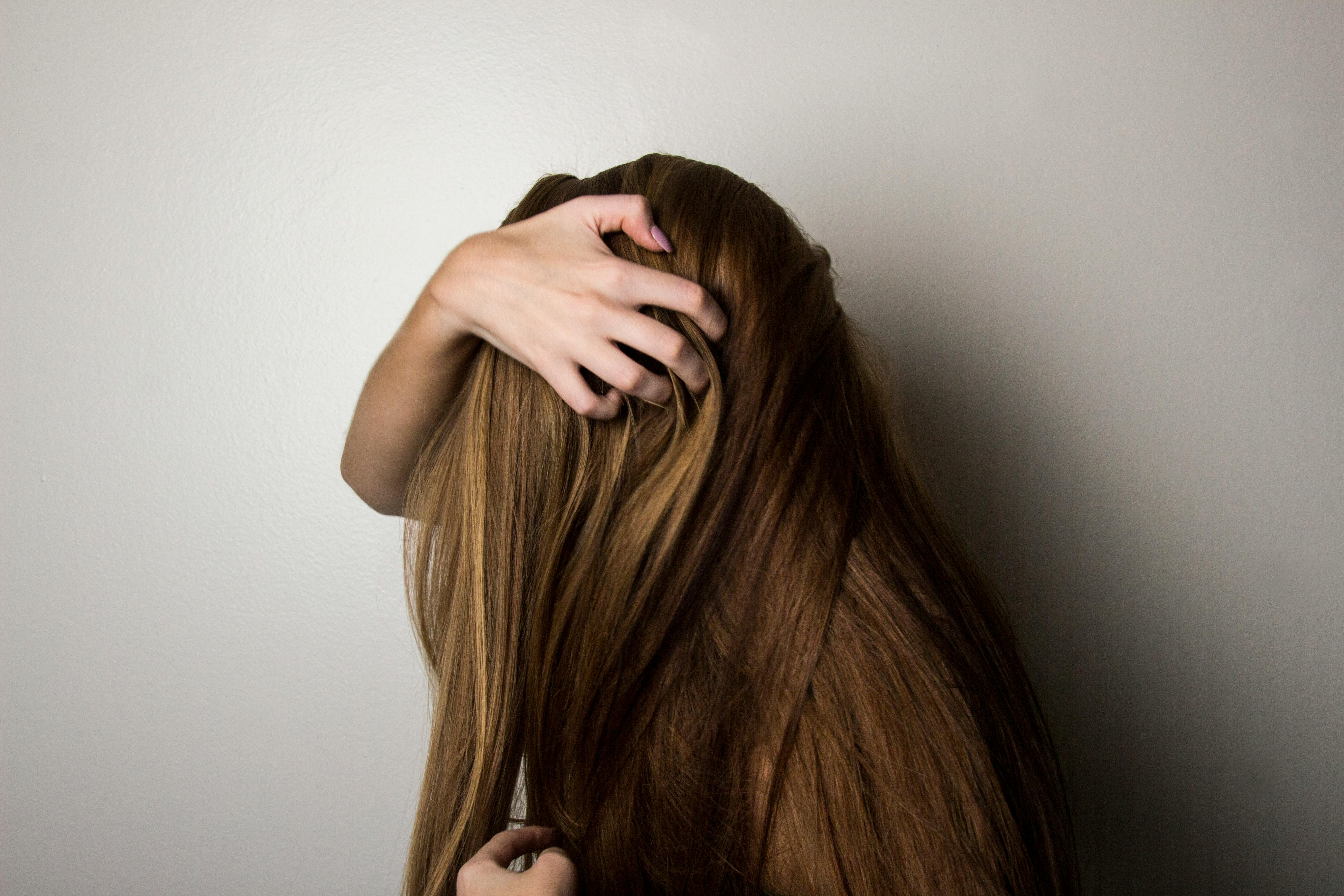
UV exposure can stimulate pigment changes in skin, but a tan is not evidence of healthy or protected skin. Living pigment-producing cells are involved in that response.
The visible hair shaft is made of keratinized cells. Its pigment was incorporated as it grew in the follicle; the strand cannot respond by making more melanin.
UV-related reactions can degrade the melanin already in natural hair. Dyed color can also fade, although the way it changes depends on the dye and the condition of the strand.
That can lead to lightening or a change in tone over time. It does not mean every person will see obvious highlights after one session, and uneven fading is possible.
Are Tanning Beds Bad For Hair?
The effects go beyond color. UV can damage components of the hair fiber, so a lighter appearance may come with roughness or a less manageable feel.
Repeated exposure may leave strands looking dull, feeling dry, or becoming more prone to breakage. A headband only covers a small area, and an ordinary shower cap has no guaranteed UV rating.
Bleached and color-treated hair may already be more fragile. If your lengths feel rough or your ends snap easily, reducing further UV, heat, and chemical stress is more useful than adding another treatment before tanning.
Which Hair Colors Are Lightened Most By Tanning Beds?
UV can affect different natural hair colors and dyed shades, but the visible result varies. Dark hair is not immune, and pale or gray hair can still experience fiber damage even without much pigment to lose.
Color changes can be more noticeable in lighter hair. That does not establish a fixed rule that blonde hair always lightens faster; pigment type, hair condition, and exposure all matter.
Brown or black hair may show subtle fading or warmer tones rather than an even blonde result. There is no dependable tanning-bed schedule for achieving a particular shade.
Pigment lost from an existing strand does not regenerate within it. New growth may retain your usual color, while a toner or dye can adjust the appearance of the lengths. Coloring does not undo structural damage.
If you notice unexpected fading, consider other contributors too, including washing, chlorine, previous bleaching, and heat styling. A colorist can help assess the tone and condition before you recolor.
How To Reduce UV Exposure To Your Hair
Avoiding tanning beds is the most dependable way to avoid tanning-bed hair damage. If you are considering a covering or product, understand what it has actually been designed and tested to do.
These options have different purposes. A physical covering may reduce exposure, a UV-filter product may help with hair-color care, and a conditioner improves feel; none guarantees complete protection.
1) Check A Cap’s UV Protection
An ordinary shower cap is made to keep water out. That does not establish how much UVA or UVB it blocks.
If a cap is marketed for UV protection, look for documented protection information and full coverage rather than relying on the product name. A waterproof claim is different from a UV-protection claim.
Clear plastic and thin fabrics should not be assumed to block UV. Even an opaque-looking cap can have gaps or unverified performance, so do not describe it as a complete barrier.
For any hair covering, keep all lengths and ends inside without pulling on the hairline. It must not interfere with protective eyewear or equipment controls. Coverage of the hair does not protect exposed facial skin.
2) Understand A Towel’s Limits
A towel may reduce direct exposure where it covers the hair, but its protection depends on the material and how it is arranged.
Do not assume a towel blocks all UV. Gaps, a loose wrap, and changes in fabric thickness can leave parts of your hair exposed.
Follow the equipment’s instructions and keep fabric away from vents. For outdoor hair protection, a suitable hat or a covering with a stated UPF rating is easier to assess than an ordinary towel.
3) Separate Heat Protection From UV Protection
Moroccanoil Perfect Defense is marketed for heat styling. Protection from a blow-dryer or hot tool is not the same as protection from UV radiation.
Use a heat protectant according to its label when styling your hair. Do not assume it should be applied to the scalp or that it provides sunscreen protection for skin.
4) Check UV-Protection Conditioner Claims
Some hair products are marketed with UV or color-protection claims. TRUSS Miracle Summer Conditioner, for example, is described by its manufacturer as offering UV and color-fading protection. That claim does not establish complete protection in a tanning bed.

Follow the conditioner’s directions, including whether it should be rinsed out. Conditioning can improve slip and softness, but a rinse-out hair product is not a substitute for scalp sunscreen or a protective covering outdoors.
5) Condition Dry Lengths
Hair masks and conditioners can make dry lengths feel smoother and easier to detangle. They cannot restore natural pigment that has degraded or make repeated UV exposure harmless.
A deep conditioning treatment may suit dry or color-treated lengths. Use it at the frequency stated on the label rather than assuming you need a treatment before and after every session.
Can I Lighten My Hair More While In A Tanning Bed?
If you want lighter hair, a tanning bed is an unpredictable route. It exposes your skin and eyes to UV while offering little control over the color result.
Increasing exposure or adding acidic DIY mixtures can add irritation or damage. A colorist can discuss highlights or other options that target the hair without deliberate UV tanning.
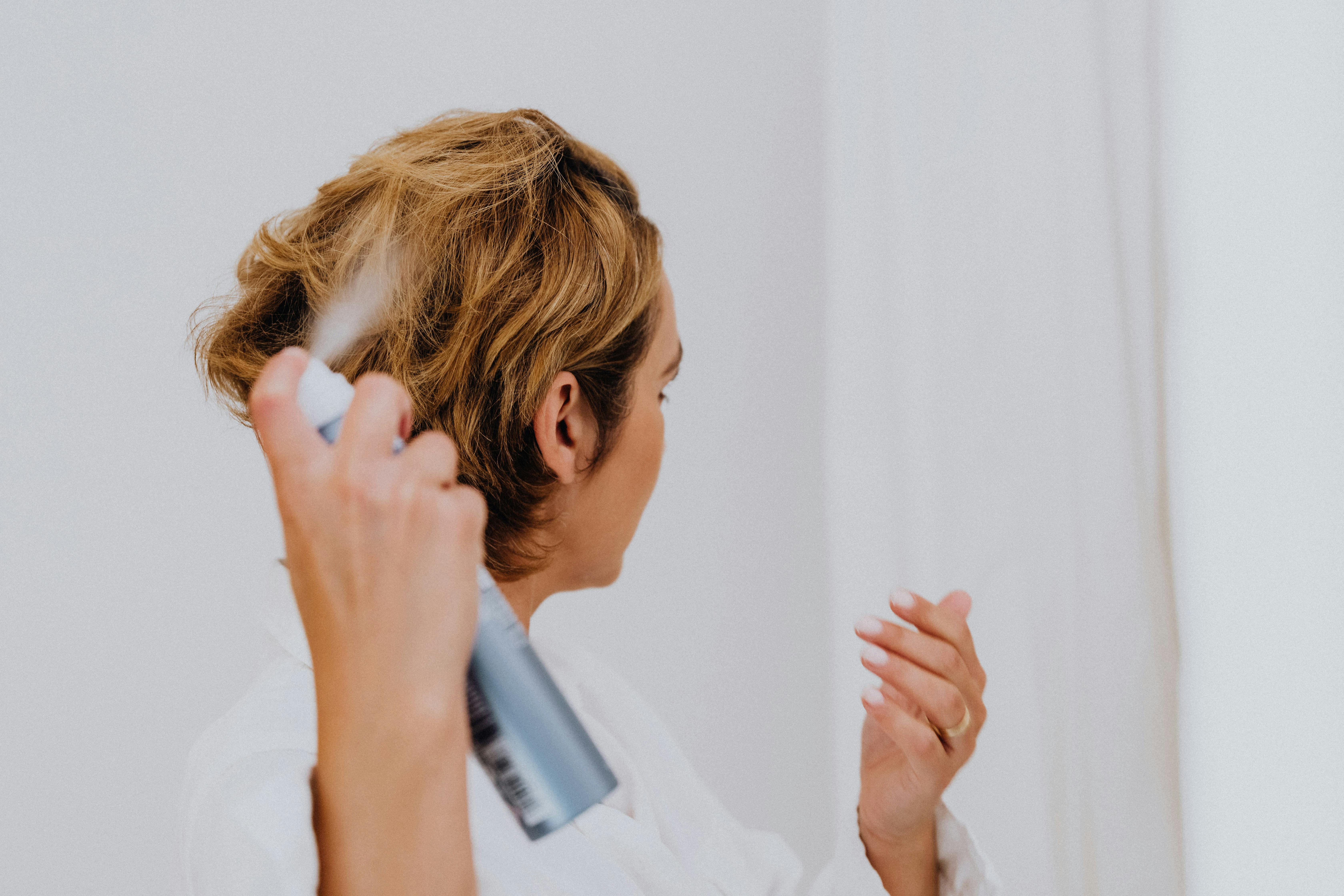
Do not combine lemon juice on your hair or skin with a tanning-bed session. Juice can run onto the scalp, face, or neck, and citrus contact followed by UV can trigger a painful skin reaction.
The reaction is called phytophotodermatitis. The Cleveland Clinic explains that some citrus compounds increase skin sensitivity to light, potentially causing redness or blisters. Diluting the juice does not make this a reliable method.
If citrus juice gets on your skin, wash it off thoroughly and avoid UV exposure. Conditioner afterward may help hair feel softer, but it cannot reverse a skin reaction or undo UV damage.
Can Tanning Beds Lighten Your Hair?
Tanning-bed UV can contribute to hair lightening and color fading, but the amount and timing vary. Do not expect an even result or use hair color as a measure of UV safety.
You may see advice on protecting hair from tanning-bed damage. Evaluate coverings and UV-product claims carefully; an ordinary shower cap or conditioner is not a guarantee against fading.
For hair that already feels dry or brittle, reduce further stress, condition gently, and ask a stylist about a trim or color correction. Avoiding indoor tanning protects both your skin and your hair.
Related Questions
How can I naturally lighten my hair?
DIY suggestions such as using apple cider vinegar or lemon juice do not provide a predictable shade change. Acidic mixtures can irritate skin, and lemon juice combined with UV can cause a skin reaction.
For a controlled change, discuss gentle highlights with a colorist or use a hair-lightening product strictly as directed. Sunscreen does not make deliberate UV lightening with citrus a safe routine.
Can a tanning bed affect hair extensions?
Human-hair extensions can experience fading and dryness, while synthetic fibers may behave differently. Do not assume UV always weakens attachment bonds; adhesives and extension materials have their own care requirements.
Follow your extension supplier’s instructions on UV, heat, oils, and conditioners, and ask your stylist if you notice changes. Keep tight coverings from pulling on attachment points; a cap does not remove the risks of indoor tanning.
Related Articles
How To Remove Self-Tanner From Hair
Can You Whiten Teeth In A Tanning Bed?
How To Lay In The Tanning Bed For An Even Tan
You might also be interested in our guide on Permanent Tan Lines – How To Finally Get Rid Of Them.


