
Self-Tanning and melasma– Everything You Should Know
Self-tanner adds temporary cosmetic color; it does not treat melasma. It may change how much dark patches stand out, but there is no guarantee they will blend in. Patches can still look darker, and irritation from a product may worsen discoloration.
Melasma is not necessarily irreversible. It can fade, persist, or return, and a dermatologist can help with diagnosis and treatment. You do not have to conceal it, but wanting a more even-looking complexion is understandable.
If you want to try self-tanner, the useful questions are whether your skin tolerates the formula and whether you like the developed color, rather than whether a product promises “flawless coverage.”

For predictable, washable coverage, consider makeup or a tinted sunscreen. These let you adjust the appearance without waiting several days for a self-tan to fade.
Self-tanning is an alternative to deliberately tanning in the sun, which can aggravate melasma. It should remain an optional cosmetic step alongside sun protection and any prescribed treatment.
Below, we’ll explain how DHA color differs from melasma pigment, compare five cosmetic self-tanners, and cover a cautious way to try one on melasma-prone skin.
What is Melasma?
Melasma is a fairly common skin condition which appears as brown and grayish-brown patches on the face.
It appears mostly on the face, concentrated on the cheeks, the bridge of the nose, the chin, and the upper lip.
Melasma spots can also appear on other areas of the body, particularly in areas where the skin is frequently exposed to sunlight.
Melasma patches are often symmetrical on the face, with both sides of the face having matching markings.
Melasma is more prevalent in females and often occurs during pregnancy.
Women are affected more often, but men can develop melasma too. Its appearance can affect confidence, even though the condition itself is not harmful.
If you have new or changing dark patches, get a diagnosis rather than assuming they are melasma. The American Academy of Dermatology’s melasma overview explains why an individual treatment plan matters.
What Causes Melasma?
Melasma involves increased activity in melanocytes, the cells that make pigment. The exact reason is not fully understood, and triggers vary between people.
It occurs more often in people with medium to dark skin tones, though lighter skin can be affected too. A family history can also increase the likelihood.
Hormonal changes during pregnancy and certain medicines, including birth control pills, can be associated with melasma. Do not stop or change a medicine without discussing it with your prescriber.
The AAD’s guide to melasma causes also discusses thyroid disease and possible stress-related links. These associations do not mean every person with melasma needs the same tests or has the same underlying cause.
Sunlight is an important trigger. Both UV exposure and visible light can make melasma harder to manage, so deliberately tanning to blend patches is not a good strategy.
UV exposure stimulates pigment production. DHA self-tan creates color through a different reaction at the skin’s surface, but that distinction does not make every tanning formula irritation-free.
Can Self-Tanner Make Melasma Appear Darker?
Yes, patches can look darker after self-tanning. That visual change is not automatically evidence that the underlying melasma has worsened, but it also is not something a product can promise to prevent.
A self-tanner colors skin over existing pigmentation rather than selectively covering the darker areas. Whether the contrast looks better or worse depends on the result, not just the shade name on the bottle.
The FDA explains that DHA reacts with amino acids at the skin’s surface. This is different from triggering a UV tan, and it does not remove or lighten melasma pigment.
More precisely, DHA colors the stratum corneum, the outermost layer of dead skin cells, rather than staining the entire epidermis.
The developed cosmetic color fades as those cells shed. However, do not assume every change is temporary tanner color: if a product stings, burns, or leaves lasting discoloration, stop using it and seek advice.
Does Self-Tanner Help Cover Melasma?

The Self-tanning products you choose may give the surrounding skin a bronzed tone, but they do not offer the targeted, opaque coverage of concealer. A successful result on one person does not predict how another person’s melasma will look.
It is not possible to guarantee that DHA will darken affected and unaffected areas by exactly the same amount. Avoid repeated layers over patches in an attempt to force a match.
If you want to camouflage specific areas, gentle makeup may offer more control. The AAD’s advice on making melasma less noticeable includes makeup and gentle, fragrance-free skin care rather than relying on self-tan as treatment.
The Best Self-Tanners for Melasma
These five self-tanners offer different textures and application styles. They are cosmetic options to compare, not proven melasma treatments, and none should be expected to make pigmentation disappear.
Prioritize a face-appropriate formula you tolerate, a manageable shade, and clear directions. If your dermatologist has recommended fragrance-free products, some of the scented options below may not fit that advice.
1. Skinerals Self-Tanner
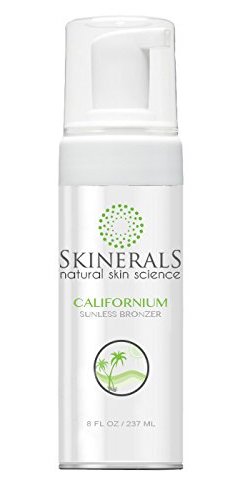
Skinerals Californium is a mousse marketed for face and body. Its manufacturer’s ingredient list includes fragrance, so its natural-ingredient positioning does not make it an automatic choice for reactive skin.
The guide tint can make it easier to see where you have applied the mousse. That may appeal if you struggle with missed areas, but the tint is not a treatment or a full-coverage concealer for melasma.
Best fit: someone who prefers a tinted mousse and already tolerates scented skin care. Follow the bottle’s development time and test the shade before using it across the face.
2. Beauty by Earth Self-Tanner

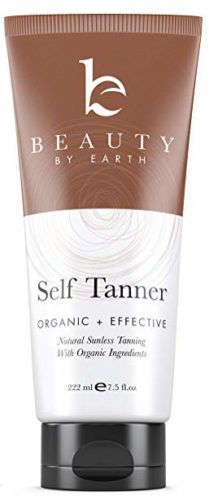
Beauty by Earth offers a lotion texture, which may appeal if you prefer spreading a cream rather than a foam. Confirm whether the item you are buying is the body lotion or the separate facial formula.
The brand’s body-lotion ingredient list includes aloe, shea butter, and oils. These can affect how rich the lotion feels, but organic ingredients are not proof of suitability for every person with melasma.
Start with a shade you are comfortable testing and let the color fully develop before adding more. An orange or uneven result is not ruled out by a product being marketed as natural.
Best fit: someone who likes a richer lotion and tolerates its ingredients. Moisturizing benefits do not treat melasma, and a body product should only go on your face if its label allows it.
3. St. Tropez Bronzing Mousse
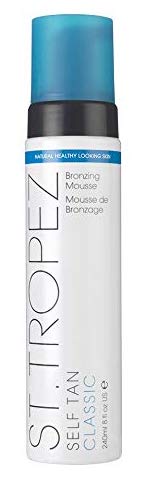
St. Tropez Classic Bronzing Mousse is a lightweight, tinted mousse. Its current manufacturer listing includes fragrance; it is not a fragrance-free option for a sensitive facial routine.
Quick drying and full color development are different things. Follow your bottle’s rinse instructions rather than assuming a dry surface means you can wash, sweat, or layer products immediately.
The guide color helps show coverage during application, but there is no guarantee of a streak-free result on every skin type. Dry or irritated areas can be harder to blend.
Do not expect the mousse to smooth out melasma pigment. If facial use is permitted by your exact bottle, first test how the developed color looks and whether the formula is comfortable.
Best fit: someone who prefers a familiar tinted body mousse and tolerates fragrance. For a reactive face, a dedicated fragrance-free facial option may be easier to introduce.
4. Tan Physics True Color Sunless Tanner
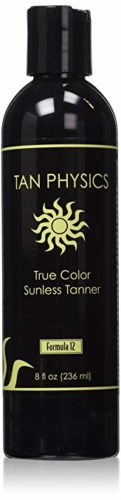
Tan Physics True Color is a lotion with a guide color. Its application instructions recommend starting lightly and applying sparingly but evenly around the face and neck.
The temporary tint can help identify missed areas while you apply it. It should not be mistaken for opaque coverage or a correction of the pigment causing melasma.
Let the color develop according to the current bottle before judging the result. Apply more only if the skin is comfortable and the existing color is even.
Best fit: someone who wants a guided lotion application and prefers building color cautiously. Check the full ingredient list if fragrance, oils, or other ingredients have caused reactions before.
The brand’s anti-aging moisturizer claims do not establish that it treats melasma or provides UV protection. Keep using your usual sun protection and any clinician-directed routine.
5. Bahama Tan Sunless Lotion
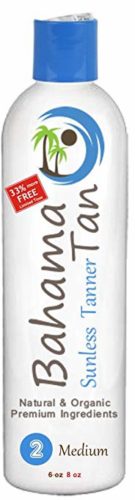
Bahama Tan Sunless Lotion is another lotion option. The brand also has a separate gradual product, so check the exact name rather than treating all Bahama Tan formulas as interchangeable.
Its published lotion ingredients include oils, butters, and botanical extracts. These do not guarantee freedom from irritation, even when described as natural or organic.
If you want subtle changes, compare the regular lotion with the brand’s Control Your Glow gradual lotion. Follow the directions for the version you choose rather than a universal one-to-four-day application schedule.
Best fit: someone who enjoys a lotion texture and wants control over the depth of a cosmetic tan. It cannot automatically match every differently pigmented area or selectively cover melasma.
How To Apply Self-Tanner on Melasma-Prone Skin
1. Check your current routine. If you are using a prescribed melasma treatment, ask your dermatologist before adding a self-tanner when you are unsure about irritation or layering. Do not stop treatment to preserve a cosmetic tan.
2. Test first. Follow the product’s patch-test directions and allow the full development time. A small test can reveal irritation or an unwanted shade, but it cannot guarantee how the whole face will look or rule out every reaction.
3. Keep preparation gentle. Apply only when your skin is comfortable, following the label’s preparation advice. Avoid aggressive scrubbing or applying over peeling, sunburned, or irritated areas.
4. Start lightly and evenly. Use a product labeled for facial use and follow its amount and rinse instructions. Keep DHA away from eyes, lips, and mucous membranes. Spot-coating melasma with petroleum jelly or wiping tanner away can leave uneven edges; neither method guarantees a match.
5. Assess before topping up. Let the final shade develop, then check it in daylight. If patches look more obvious, allow the tan to fade instead of adding more layers. Stop using a formula that stings or burns; gentle concealer is a washable alternative.
Does Tanning Cause Melasma?
Sun tanning and tanning beds can trigger or worsen melasma. Neither is a suitable way to blend the darker patches into the surrounding skin.
Sun exposure can increase pigment production, including within existing melasma. UV-free cosmetic color avoids deliberately adding that exposure, but it does not shield your skin from sunlight.
Choose broad-spectrum SPF 30 or higher and use it every day. Reapply outdoors according to the label, including at least every two hours and after swimming or sweating.
For melasma, visible-light protection matters too. The AAD recommends tinted sunscreen containing iron oxide to help protect against visible light. A cosmetic self-tan is not a substitute for that protection.
Seek shade and wear a wide-brimmed hat. Do not assume a deeper cosmetic shade means you can spend longer in the sun or use less sunscreen.
Sun protection is part of melasma management, not a guaranteed cure. The AAD’s diagnosis and treatment guide describes how dermatologists combine it with individualized treatment when needed.
Self-Tanning and Melasma
Self-tanner can be an optional cosmetic experiment, but it is not a melasma solution. Choose for comfort and a shade you like, and keep expectations realistic about coverage.
If the dark patches bother you, you have choices: tinted sunscreen, gentle makeup, and a dermatologist’s treatment plan may be more useful than trying to darken the surrounding skin.
There is no need to chase a perfectly uniform complexion. Keep the routine gentle, protect your skin, and stop a product that leaves your skin uncomfortable or the color harder to manage.
Related Articles
Self-Tanning With Coffee – A Complete and Practical Guide


